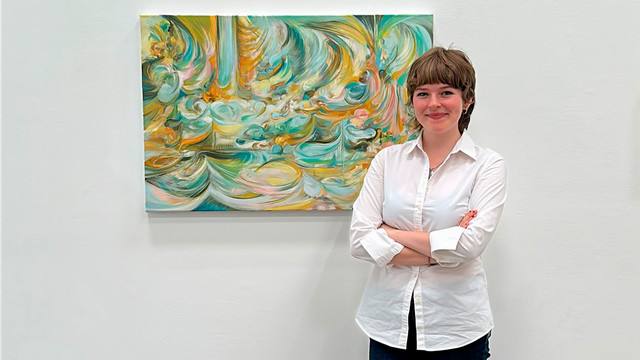
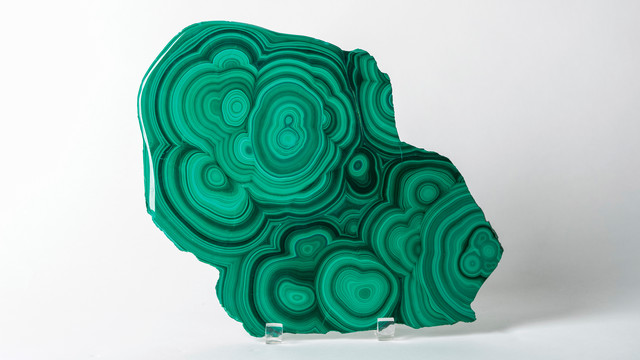
Sophomores Piper Turri and Ally Schueller — two interns in the University Museums — show us their favorite items in the renovated Lora Robins Gallery’s collection.
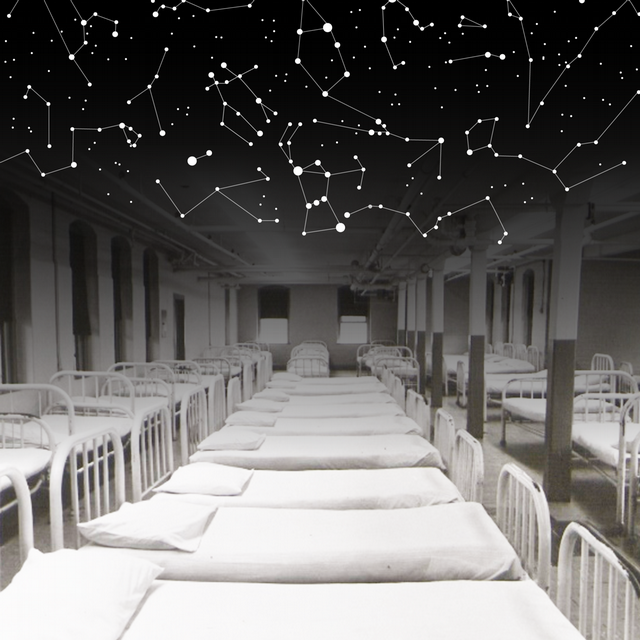
Known for creating large-scale immersive installations with found objects, Abigail DeVille is developing a new exhibition for the Harnett Museum of Art. The exhibition, A Mourning, reconstructs the death of DeVille’s great grandfather Luther Wilson at Central State Hospital in 1938. Central State Hospital was founded in 1870 for the treatment of “colored persons of unsound mind” and operated at a former Confederate hospital at Howard’s Grove. In 1885, the hospital moved to a new building in Petersburg, VA, where it continues to operate today. The exhibition aims to distill some of the vapors of alleged abuse at the facility and the development of black mental health care.
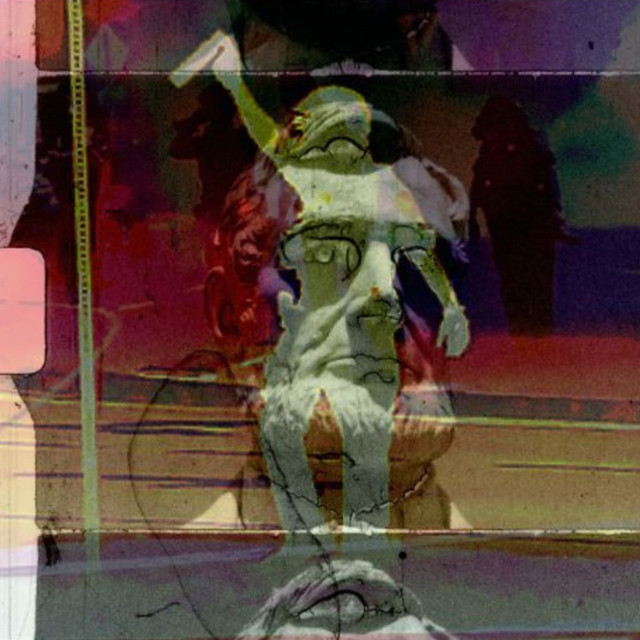
This exhibition features the work of nine contemporary filmmakers and two artist collectives who explore the various ways specific geographic locations influence—and cause us to negotiate—how we make meaning and understand (or contest) ideas of identity and power. Interrogations into belonging, authenticity, how a place is defined and how it should function are essential to the impulse of this exhibition, which examines the idea of place beyond its physicality—determined as well by its social and political textures; through intersecting dynamics of community, (access to) power, and the collective imaginary.
Drawing on the mandate of the Frames of Reference annual program of artists’ film and video, Politics of Place features the work of filmmakers who resist conventions and ideologies of mainstream media; explore creative, innovative approaches to narrative and experiments in time-based media; and embrace unique viewpoints, perspectives, or frames of reference.
Black Work: Absence/Absorption asks the question: what is black? Black is absorption, a gathering, all colors held at once, refusing to reflect. Black is the hug, the clasp, the cuddle with light itself. Black, in all its tonal ranges, moves across artists' canvases like music, like the shifting movements of a concerto.
The exhibition, curated by Dr. Kymberly S. Newberry, Visiting Assistant Professor of Art History, interrupts the white cube’s longstanding exclusion of Blackness from its frame, erasing histories, labors, and bodies that make art possible, excluding Black mark makers whose presence is foundational yet rendered invisible. Absence and absorption operate here as structural and conceptual forces across artists and media; while some works reference histories of Black liberation, the focus is on material, spatial, and perceptual practices rather than race or identity alone.
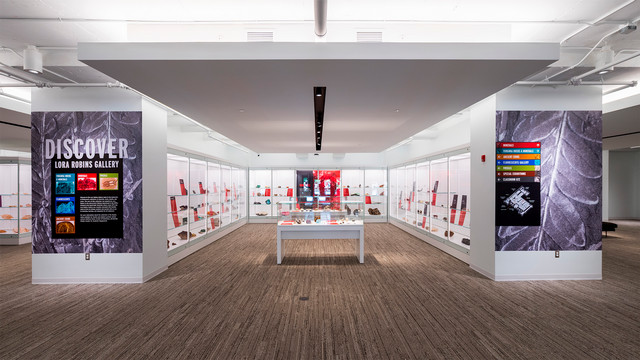
The Lora Robins Gallery reopened in the Fall of 2025, and features a new design and a refined focus. Originally founded in 1977, the Gallery holds over 100,000 pieces ranging from Jurassic dinosaur fossils to rare gems, minerals, prehistoric shells, coral, fluorescent rocks and coins. The new installation will draw on the strengths of the permanent collection to showcase hundreds of minerals, rocks, fossils, and coins.
Sophomores Piper Turri and Ally Schueller — two interns in the University Museums — show us their favorite items in the renovated Lora Robins Gallery’s collection.
This fall, University of Richmond Museums is showcasing newly commissioned work in the exhibit Cauleen Smith: Dusk of Dawn, and celebrating the reopening of the Lora Robins Gallery.